How to Choose a Smoker
Recommended picks


Fuel Types: Charcoal, Pellet, Propane, and Electric
Charcoal smokers burn lump charcoal or briquettes and are the most affordable entry point. The Realcook REALCOOK-17 is a charcoal bullet smoker priced at $84.99 with a 4.4-star rating across more than 3,900 reviews, making it one of the most battle-tested budget options around. Propane smokers, like the PIT Boss 10773, use a burner to heat a wood chip tray and give you dial-in temperature control without electricity. Pellet smokers feed compressed wood pellets into a firepot with an electric auger, holding temperature within a few degrees automatically. Electric smokers rely entirely on a heating element and are the simplest to operate but produce lighter smoke flavor than other fuel types.
Cooking Capacity: Match the Smoker to Your Crowd
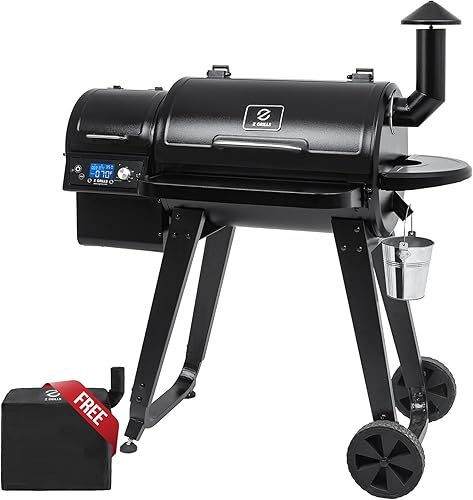
Cooking area determines how many racks of ribs, briskets, or chickens you can run at once. A compact bullet smoker measuring around 17 x 22 x 35 inches, like the Realcook REALCOOK-17, suits two to four people comfortably. Step up to a mid-size pellet smoker in the 28 x 45 x 49-inch range, like the Z Grills ZPG-450A (alloy steel, 85 lb, $359.10, rated 4.4 stars by over 6,400 buyers), and you can handle a full brisket plus a pork butt side by side. For regular large-group cooks, offset charcoal smokers with cooking areas exceeding 1,000 sq in are the practical choice, though they run heavier and take up more patio real estate.
Build Materials: Steel, Stainless, and Ceramics
Thin sheet metal smokers shed heat quickly and struggle to hold stable temperatures in cold weather. Alloy steel is the most common mid-range material and holds up well when given a good seasoning and kept dry. Stainless steel construction costs more but resists rust without as much maintenance. Ceramic kamado-style smokers, like the London Sunshine LSKMD-0037OR at $369.99 (charcoal, 4.6 stars, 162 reviews), are exceptional insulators and hold heat with very little fuel, though their weight makes them difficult to move. Cast-iron grates retain heat better than chrome-coated wire and give better sear marks, but they require regular oiling to prevent rust.
Temperature Control and Ease of Use
Temperature management is what separates a good smoke session from a stressful one. Charcoal smokers use adjustable top and bottom vents to regulate airflow and temperature, which takes practice to master. Pellet smokers use a digital controller and fan to hold the target temperature, much like an outdoor convection oven. The PIT Boss 11086 pellet smoker, priced at $397 with a 4.3-star rating from 130 reviewers and over 500 units bought last month, demonstrates strong demand for set-and-forget convenience at a mid-range price. Propane smokers sit in the middle: you dial in heat manually, but there is no charcoal to manage. For beginners, pellet or propane smokers reduce the learning curve significantly.
Price Ranges and What to Expect
Budget charcoal smokers from $45 to $100 are functional but often made from thin steel and need frequent monitoring to hold temperature. The $250 to $500 range covers solid pellet smokers and quality propane vertical smokers with better insulation and larger capacity. From $500 to $900 you find heavy-gauge offset charcoal smokers, full-featured pellet grills with larger hopper capacity, and stainless vertical propane smokers built for long-term outdoor use. Above $900, you move into competition-grade builds, thick stainless steel construction, and smart-app connected pellet smokers. Buy the heaviest construction your budget allows, because thicker metal holds temperature more consistently and lasts longer.
Portability and Storage Considerations
A 280-pound offset smoker is a permanent fixture. If your patio space changes seasonally or you want to bring a smoker to a tailgate, weight and folding-leg designs matter. Compact pellet smokers in the 60 to 90-pound range roll on caster wheels and store more easily than large offset units. Vertical bullet smokers in the 13 to 20-pound range, like the Amazon Basics 67586 ($45.03, charcoal, 2 racks, 7.26 lb), are genuinely portable and easy to store in a garage. Consider whether the unit comes with a cover or if covers are available separately, because a well-covered smoker in the off-season will last years longer than one left exposed to rain and UV.
Common mistakes to avoid
- Buying a smoker that is too small for how many people you regularly cook for, then regretting it the first time you host a group.
- Choosing charcoal or wood as a first-time smoker without realizing you will need to tend the fire every one to two hours during a long cook.
- Ignoring the weight listed in the specs. A 200-plus-pound offset smoker is essentially immovable once assembled, so plan where it will live before you order.
- Skipping the seasoning step on a new steel smoker. Running the empty smoker at high heat with a coat of cooking oil protects the metal and removes manufacturing residue before your first real cook.
- Assuming higher price always means better smoke flavor. Electric and pellet smokers cost more and run easier, but many experienced pitmasters prefer the flavor from a well-managed charcoal or wood fire at a lower price.
- Not accounting for pellet hopper capacity on long cooks. An undersized hopper on a pellet smoker can run dry overnight during a 12-hour brisket session if you do not plan ahead.
Frequently asked questions
What is the easiest smoker for a beginner?
A pellet smoker is generally the easiest starting point because a digital controller maintains your target temperature automatically. You load hardwood pellets into a hopper, set the temperature on the dial, and the unit feeds fuel and manages airflow on its own. Propane vertical smokers are a close second because temperature adjusts with a simple gas knob, though you still manage wood chips manually for smoke.
How much cooking area do I actually need?
For two to four people, a smoker with roughly 400 to 500 square inches of total cooking area handles a full rack of ribs or a 10-pound pork butt without cramping. If you regularly cook for eight or more people, look for 700 square inches or above, which gives you room to run multiple large cuts at once. Keep in mind that upper warming racks count in the advertised total, but they cook at different temperatures than the main grate.
Does a more expensive smoker produce better-tasting food?
Not automatically. Smoke flavor comes primarily from your fuel choice and the wood you use, not the price of the unit. A well-managed $85 charcoal smoker can produce results that compete with a $1,000 pellet grill. Where price pays off is in temperature consistency, build longevity, and how much attention you have to give the cook. Thicker steel and tighter-fitting lids on pricier models hold heat more steadily, which reduces the effort required.
Can I use a smoker in cold weather?
Yes, though cold air and wind make temperature management harder and burn through fuel faster. Ceramic and thick-steel smokers handle cold better than thin sheet-metal models because they retain heat in the walls. A welded-steel insulated blanket or a wind-blocking placement against a wall or fence helps any smoker perform better in winter. Budget an extra 20 to 30 percent more charcoal or pellets for cooks in temperatures below 40 degrees Fahrenheit.
How do I know when smoked meat is done?
Use a calibrated instant-read or leave-in probe thermometer and refer to USDA safe cooking temperatures as your baseline, then look for the target internal temperature specific to each cut. Brisket and pulled pork are typically pulled at 195 to 205 degrees Fahrenheit for probe-tender texture, well past the USDA minimum. A good dual-probe thermometer lets you monitor both the smoker's cooking chamber temperature and the meat's internal temperature at the same time without opening the lid and losing heat.